
Barcelona–Palma: Terminal, Ticket und Weiterreise
Barcelona–Palma connects Spain's mainland with Mallorca and can be useful for a car holiday, a cycling trip or a visit without a vehicle. The route decision has three parts: which operator and departure fit your date, which Barcelona terminal the booking names and how you will continue from Palma. Compare the whole trip, including getting to the harbour and reaching your first destination on Mallorca, rather than choosing by ticket price alone.
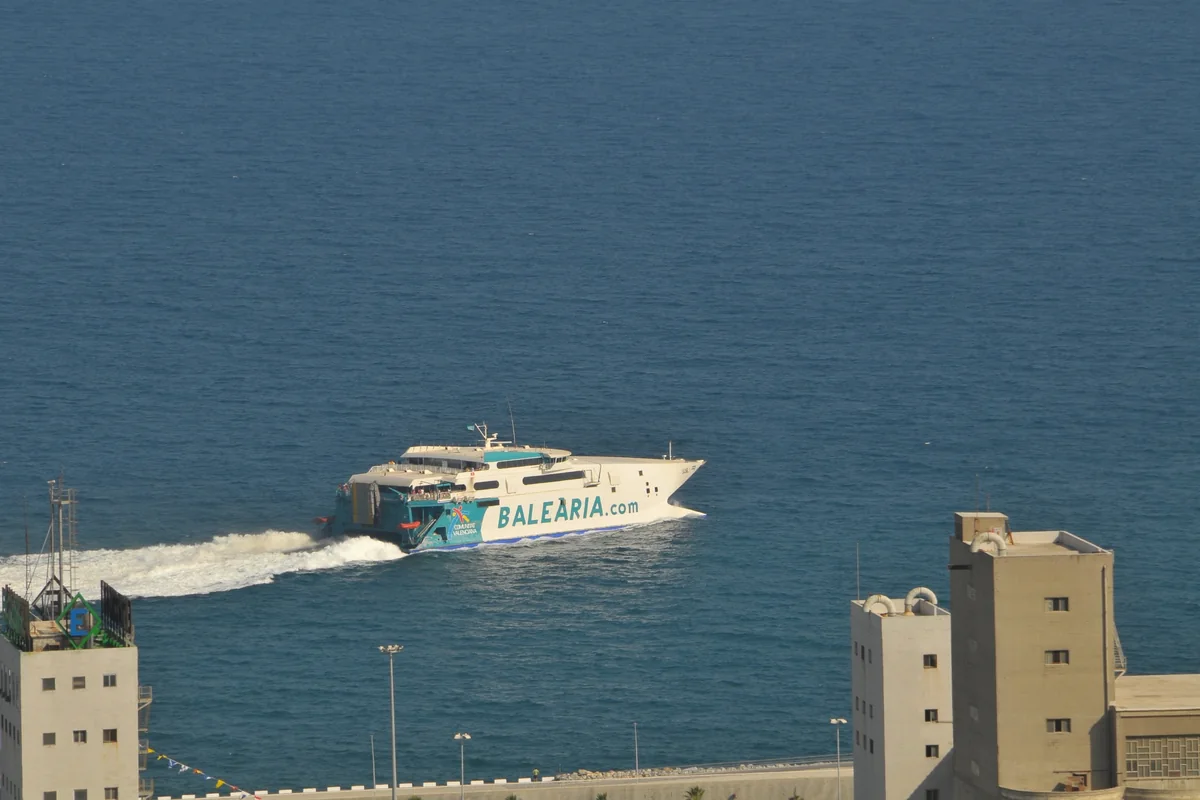 Eine Baleària-Schnellfähre verlässt einen Mittelmeerhafen; das Betreiberfoto dient als Symbolbild für die Verbindung Barcelona–Palma.
Foto: Foto: Alesia Belaya / MaxTD Imagebank
Eine Baleària-Schnellfähre verlässt einen Mittelmeerhafen; das Betreiberfoto dient als Symbolbild für die Verbindung Barcelona–Palma.
Foto: Foto: Alesia Belaya / MaxTD Imagebank
Plan the crossing around your stay on Mallorca
Start with the time you need to arrive in Palma and what happens after disembarkation. A departure that works for the outward leg may not suit your return date or accommodation. If you are travelling with a vehicle, the ferry can make a road itinerary on Mallorca easier; if you are on foot, check transport from the port to your hotel or onward bus. If your selected sailing is overnight, compare rest options and the arrival time before arranging a morning activity or a separate booking.
For another possible mainland departure, compare the relevant ferry connections and port locations. The best route depends on where your trip begins on the mainland and where you are staying on the island. A different port may change the drive before boarding as much as the length of the sea crossing changes the journey.
Barcelona: follow the terminal on your ticket
Barcelona's passenger-ferry operations use more than one terminal. The departure location can depend on operator, vessel and sailing; “Port of Barcelona” is not precise enough for navigation. Check the terminal address and vehicle or passenger entrance in the booking confirmation and follow the current port signs on arrival. The local guide to the Barcelona ferry port explains why the terminal code matters and how to avoid heading to the wrong part of the harbour.
Allow time for city traffic, finding the correct access road and reaching the check-in lane. Foot passengers should check their route from the railway station, hotel or public transport stop and allow for luggage. Drivers should have the ticket and identification ready before joining a queue; once you reach the port, lane assignment is controlled by the operator and terminal signage.
Palma: plan the island leg as well
Palma is Mallorca's main city and ferry port, but your final destination may be elsewhere on the island. Add the drive, bus or taxi transfer from the harbour to your accommodation and account for the time needed to leave the vessel. If you are collecting a rental car, confirm where the pick-up point is and when the desk is open. The page for the Palma de Mallorca ferry port provides further local orientation.
For a foot passenger, compare the scheduled arrival with the actual onward service. Do not assume that a bus or train connection will wait if the ferry is delayed or disembarkation takes longer than expected. If you are returning to Barcelona on a fixed day, check the return sailing and terminal independently rather than copying the outward details.
Compare operators and booking terms
Baleària and Trasmed publish their own route options and booking conditions. The summaries for Baleària and Trasmed help identify the operators, but availability, vessel, time, terminal and fare depend on the specific sailing. Compare the complete ticket conditions, including changes, cancellation, missed departure and vehicle amendments. A lower fare may be a poor fit if your arrival in Barcelona or your plans on Mallorca are uncertain.
Before payment, check each traveller's name and the chosen direction, date, vehicle category and any extras. A return journey can use a different departure time or have different terms. Keep the booking confirmation accessible until you have left the port at your destination.
Vehicle, bicycle and baggage details
For a car, van, camper or trailer, the ticket must reflect the vehicle's actual length and height, including a roof box, bicycle rack or other fixed equipment. Check the measurements before travelling; the boarding lane and charge can depend on the booked category. The practical guide to taking a car on a ferry and the page about motorhomes and caravans can help you prepare the details.
If you are bringing a bicycle, confirm how it must be booked and where cyclists should report at the terminal. Secure loose equipment and pack luggage so that it can be handled safely through check-in and boarding. Foot passengers should keep documents, medication, valuables and anything needed during the trip in a bag that stays with them; access to the vehicle deck may be limited while at sea.
Check-in, pets and assistance
The check-in deadline is set by the operator and the sailing. Use the time in the booking and allow extra margin for Barcelona traffic, terminal access and any required checks. The overview of check-in and travel documents helps you prepare, but the operator's instructions for your ticket are binding.
Pets, mobility support and medical equipment should be declared or arranged before travel where required. Operators may have different options for pets and different rules for areas on board. Confirm the requirements for the exact ship and sailing rather than relying on a general description. Preparation tips for travelling with a dog or other pet can help you identify questions to settle before departure.
Before leaving for the harbour
Recheck the sailing, terminal, check-in time, vehicle details and any operator notice shortly before departure. For the return, repeat the same check with the new booking. If your ferry connects to a hotel, flight, train or rental-car collection, plan enough time after arrival for disembarkation and the transfer. A route is ready when the booking, harbour access and next leg all work together.
Frequently asked questions
Which terminal should I use in Barcelona?
Use the terminal and entrance listed for your operator and sailing. Barcelona has several passenger-ferry terminals, so the city or port name alone is not enough.
Can I take a car, camper or bicycle?
Suitable sailings may accept them. Book the right category and provide actual measurements, including racks and trailers.
Can I travel as a foot passenger?
Check that your departure accepts foot passengers and plan the route to the passenger entrance and onward travel from Palma.
How much time should I leave after arrival?
Allow time to disembark and get from the harbour to your onward service, accommodation or rental-car collection. A separate booking may not be protected if the ferry is delayed.
