
Fähre Helsingør–Helsingborg: Überfahrt oder Brücke?
Helsingør in Denmark and Helsingborg in Sweden sit opposite one another across the northern Øresund. ØRESUNDSLINJEN states a crossing time of about 20 minutes, making the ferry a short link in a much longer journey through Zealand, Skåne or the wider Nordic region. The key choice is not just ship versus road: it is whether your itinerary benefits from arriving in central Helsingborg, continuing by train, or driving via the Øresund Bridge and its approach roads. Compare the full route, terminals, ticket and onward travel before choosing.
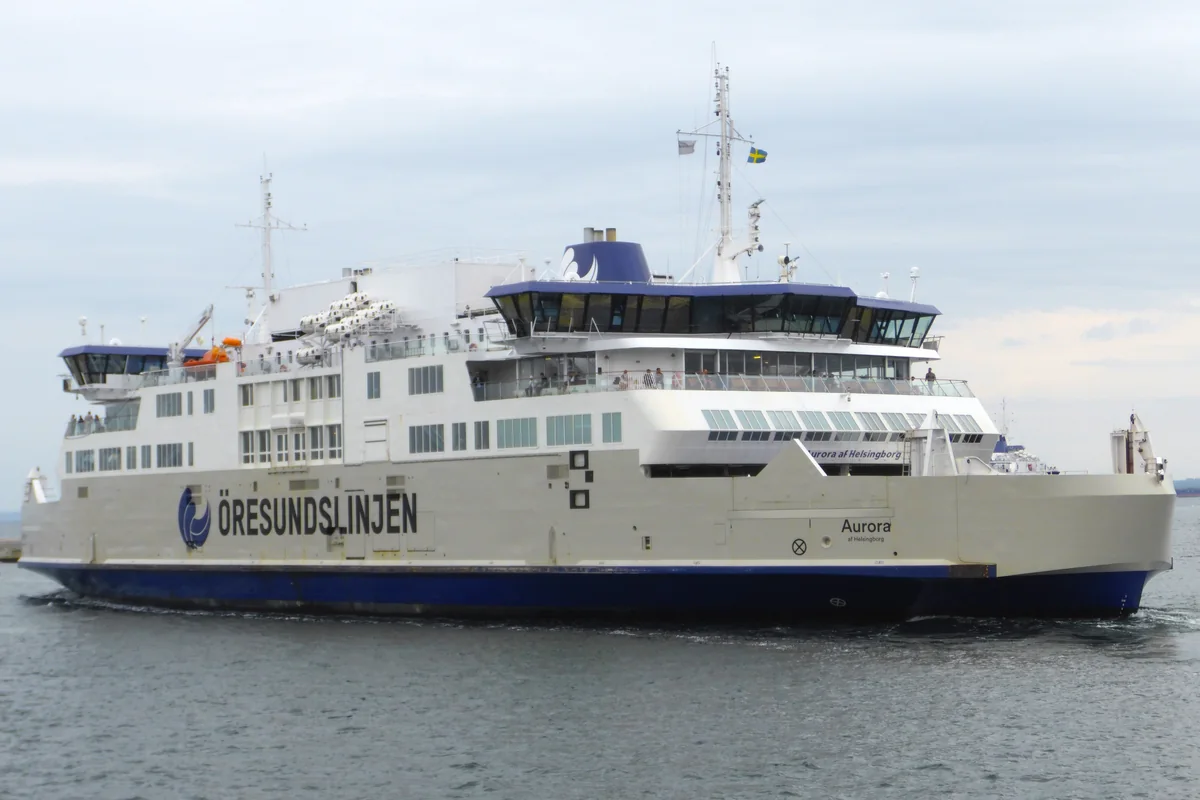 Die batterieelektrische Fähre Aurora af Helsingborg bedient die kurze Verbindung zwischen Helsingør und Helsingborg.
Foto: Ferriesworldwide / Wikimedia Commons, CC BY-SA 4.0
Die batterieelektrische Fähre Aurora af Helsingborg bedient die kurze Verbindung zwischen Helsingør und Helsingborg.
Foto: Ferriesworldwide / Wikimedia Commons, CC BY-SA 4.0
Ferry or bridge for this journey?
The ferry connects Helsingør directly with Helsingborg. The Øresund Bridge instead links the Copenhagen area with Malmö, so the better option depends on where you start and where you need to go next. A short sailing can be convenient for a route through Helsingborg or north-western Skåne; the bridge may suit a journey already passing Copenhagen and Malmö. Map both complete itineraries, including driving distance, tolls, time at the terminal and any onward train or bus. Do not compare only the ferry's time at sea with the bridge's crossing time.
For a wider choice of sea routes, compare the relevant ferry connections, then check the port locations on both sides. The ferry operators publish different ticket terms and travel requirements; a ticket for this crossing does not automatically cover a bridge journey or another sailing.
Twenty minutes at sea still needs a terminal plan
ØRESUNDSLINJEN's current timetable gives sailing and arrival times for Helsingør–Helsingborg. A short scheduled crossing does not include the whole door-to-door journey: reaching the correct entrance, checking in, boarding, leaving the ship and walking to the next connection all take additional time. Leave a buffer before a train, coach, hotel check-in or appointment, especially if the trip depends on a single departure.
There are separate approaches for vehicles and people travelling on foot. In Helsingør, the operator distinguishes the vehicle check-in on Færgevej from the passenger terminal nearby. In Helsingborg, vehicles and foot passengers also use different access points, with the passenger terminal at Helsingborg C. Use the address for your travel mode from the booking and the operator's latest directions. The port pages for Helsingør and Helsingborg provide local context, but the ticket remains the source for your precise check-in point.
Choose a sailing that fits the next leg
Look at departure and arrival together. A sailing that appears ideal on the outbound leg may leave too little time for the return connection, so check both directions separately. Timetables can change for operational reasons, and a short maintenance period can alter the pattern of departures. Check the operator timetable close to travel and rely on the booking confirmation for the selected sailing.
If you are continuing by train from Helsingborg, include the walk from the passenger terminal to the platform and a margin for disembarkation. Drivers should account for the sequence in which vehicles leave the ship and for local traffic after reaching shore. If a separate train or ticket is booked, do not assume the ferry operator will protect that connection if the sailing is delayed.
Travelling by car, electric car or camper
For a vehicle ticket, enter the actual length and height, including roof boxes, racks and trailers. Check the selected vehicle class against the confirmation before arriving; changing the class at the terminal may not be possible on a full sailing. The guide to taking a car on a ferry covers the measurements and details to prepare. Electric-car drivers should also review the separate advice on taking an electric car on board and follow the operator's current instructions for the chosen crossing.
Online or app check-in has a stated latest time: ØRESUNDSLINJEN currently asks car and other transport passengers to check in no later than 10 minutes before departure, and foot passengers 5 minutes before departure. A commuter pass may have a different time. Treat these as minimum cut-offs, not as a recommended arrival time. If buying at the terminal, the operator says passengers board the next available departure. Allow extra time for road traffic, finding the correct entrance and any checks.
Arriving without a vehicle
Foot passengers should confirm the passenger entrance on each side and plan how to reach it from the railway station or local transport. Keep the ticket, identification and any documents required for the trip easy to reach. If you are travelling with luggage, consider the walk between the terminal and your next connection before choosing a tight schedule. Practical preparation for travelling as a foot passenger and the checklist for check-in and travel documents can help you get ready.
For accessibility needs, a bicycle or an unusual vehicle, confirm boarding arrangements and the correct entrance with the operator before travel. The journey is brief, but a missed departure can disrupt the onward itinerary. Check for timetable notices shortly before leaving and keep enough flexibility to use a later sailing if your fare permits.
Frequently asked questions
How long is the Helsingør–Helsingborg sailing?
ØRESUNDSLINJEN currently lists the crossing at about 20 minutes. Terminal access, check-in and onward travel add time.
How early should I check in?
The operator currently states 10 minutes before departure for cars and other transport, and 5 minutes for foot passengers. Arrive earlier to allow for the approach and terminal.
Which option is better, ferry or bridge?
It depends on the whole itinerary. Compare the ferry via Helsingborg with the bridge route via Copenhagen and Malmö, including distance, charges and onward connections.
Can I travel by train after the ferry?
Yes, but allow time to leave the ship and reach the station. Check the actual departure and avoid relying on a very tight transfer.
